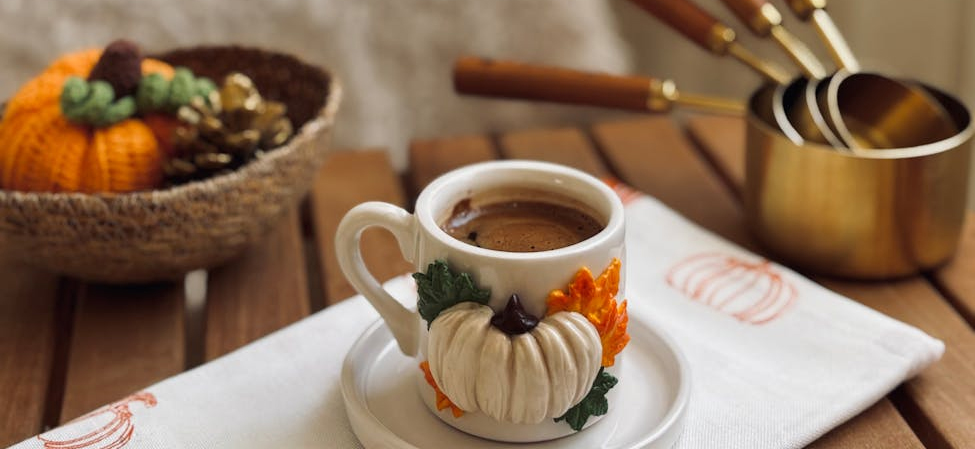
I love and hate October. It’s such a dichotomy.
It’s football month, apple month, pumpkin month. The air smells like cinnamon and woodsmoke, and the fabric stores are bursting with flannel and fleece and seasonal sales. There’s a low hum of excitement in the air thanks to tailgates, cider mills, and Halloween decorations going up on porches. It’s the season of bonfires and comfort foods and that perfect mix of chill in the morning and warmth in the afternoon.
And of course it’s football season!
I’m a Detroit Lions fan, which means every year I enter October with both hope and resignation in equal measure. But this year? Not only are the Lions on top, but I’m also at the top of my fantasy football league at work (Woo!). There’s something grounding about checking scores on Sunday, goading your coworkers in the group chat, and having that weekly rhythm of games and recaps. It’s communal, in its own weird digital way.
But October also holds something heavier. Sure, we’ve already had the autumnal equinox, but October is the month when the light begins to fade for real. It’s when sunset creeps earlier each night and you can feel the darkness arriving sooner than you’re ready for. Halloween, my favorite holiday, also marks the midpoint between the autumnal equinox and the winter solstice: the beginning of what I think of as “the dim season”.
For many of us, it’s the start of the Seasonal Affective Disorder (SAD) season. Aptly named, indeed. This is when the seasonal depression creeps in like fog. You can feel it in the air long before you can name it, there’s that subtle heaviness behind your eyes, the growing reluctance to get out of bed, the quiet ache that follows even good days.
Every year in the spring, I see comics across the internet of someone throwing out their seasonal depression and welcoming back their regular depression. Alas, in October you’re not exchanging one for the other, you’re just accepting both. Piling on both burdens like layers of mismatched sweaters. You can feel the weight settle in quietly, even as you’re sipping cider or watching the leaves turn gold. It’s not a dramatic shift, just a subtle dimming. You start noticing the light fading earlier, the mornings slower to begin, and your mind a little foggier than before. The autumn joy is still there but you have to hold it closer now, protect it from the chill that’s creeping in around the edges.
For those lucky enough not to know, SAD is the clinical name for what a lot of us just call the winter blues, though that phrase doesn’t quite capture its heaviness. It’s a form of depression tied to the changing seasons, often beginning in the fall when daylight wanes. It lasts through winter’s longest nights, usually only easing in the spring. The lack of sunlight disrupts our internal clock, muddles the balance of serotonin and melatonin, and leaves us feeling drained, sluggish, and hollowed out in ways that go beyond “just feeling off.” It can make even simple things like getting dressed, cooking dinner, or returning a message feel like uphill climbs. And because it arrives every year with such predictability, there’s an added ache to it: the quiet dread of knowing it’s coming, and the resignation of bracing yourself to endure it again. And again. And again.
In fact, as much as I love my native Detroit, Michigan, I hit a wall one year and realized that the winters are just too gray. Too dreary. The rest of the love I have in my soul for my home state couldn’t outweigh the crushing weight of four months without sun. The sky turns the color of wet concrete sometime around November and doesn’t really change back until March. I used to joke that you could go weeks without seeing your own shadow, but it stopped being funny once I realized how much that absence of light was affecting me. I’d wake up tired, go to work tired, come home tired, not just physically, but in a way that felt baked into my bones. You can love a place with all your heart and still know it’s hurting you. And that’s a hard truth to sit with, especially when the place you love is also the one that shaped you.
And so I moved. Not so far that it’s hard to see my parents, but far enough that the annual blanket of clouds doesn’t weigh so heavily over my new home. The difference was almost startling that first winter, the way the sun actually showed up even in January. It wasn’t endless summer or a miracle cure, but it was enough. Enough light to notice color again. Enough light to take a walk without bracing myself against invisible weight. Yeah, the sun still sets super early, but at least I get to enjoy its actual shine during the daylight hours now.
Granted, moving your home is one of the more drastic ways to deal with SAD. I’m not here to tell anyone to uproot their life for the sake of sunshine. There are plenty of other coping mechanisms that help, and most don’t require a change of address: light therapy lamps, vitamin D supplements, staying active, sticking to a regular sleep schedule, making plans even when you don’t want to. For me, it was about recognizing that something external (something environmental) really was affecting my mental health. And once I accepted that, I could stop blaming myself for not being able to “tough it out.” Sometimes, persisting means changing your environment so you can keep showing up for your own life.
There was actually one year when I lived in the deserts of Northern California. Boy, did that come with its own challenges! SAD was not one of them, but you know what I found most odd? It was the constant sun. Imagine that … the very thing I’d been chasing, the light I thought would save me, started driving me a little mad. Every day was blindingly bright, relentlessly cheerful, as if the weather itself was caffeinated. No cloudy mornings to ease into. No gray, drizzly afternoons to give me permission to rest. Just sunshine, bright and merry, telling me to “go! go! go!” all the time. After a while, I realized how much I missed balance. How much I missed the natural rhythm of weather that says, “Today you can slow down.” The sun is beautiful, but when it never relents, it starts to feel like pressure. Like even the sky expects something from you.
This year, I’m trying to take that mentality into October. To remember that even the sunniest seasons need rest, and even the darkest months can hold warmth. I’m learning not to chase light out of desperation, but to make peace with its comings and goings. I want to find rhythm instead of rescue. October, with all its contradictions, is the perfect teacher for that. It’s a month that glows and fades at the same time, that celebrates change while quietly grieving it. So this year, I’m letting myself slow down when the clouds roll in. I’m lighting candles without apology, watching the game with a blanket over my knees, taking my walks at sunset even when it’s chilly (and even as they get earlier and earlier). I’m letting October be what it is: complicated, beautiful, bittersweet, and I’m trying to be that way, too.
So here’s to another October: football, flannel, and finding light where I can. This year I resolve to try and take my touchdowns and my twilight in equal measure.
 Persisting - The Book